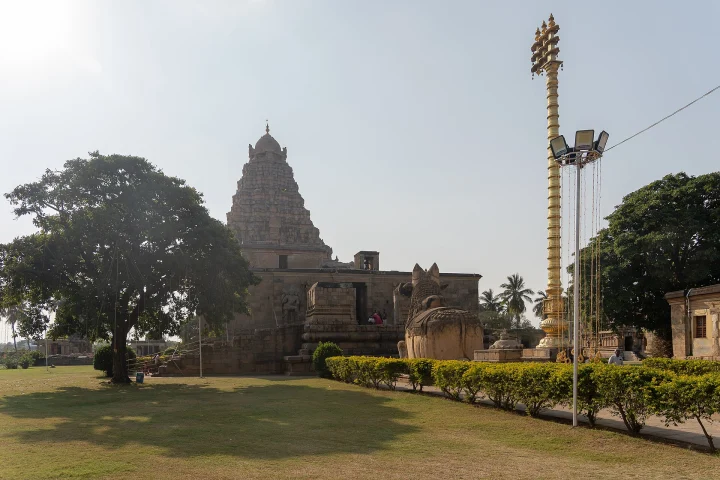
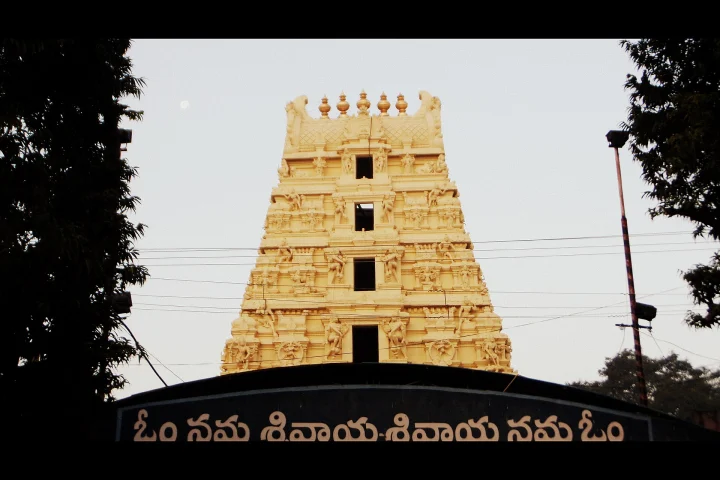
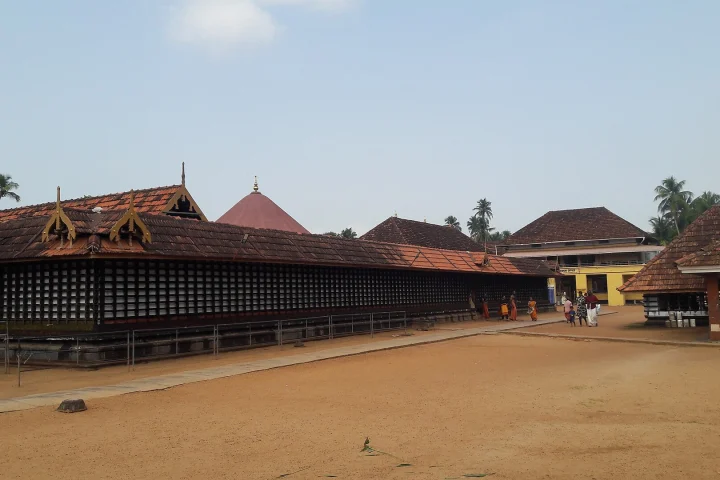
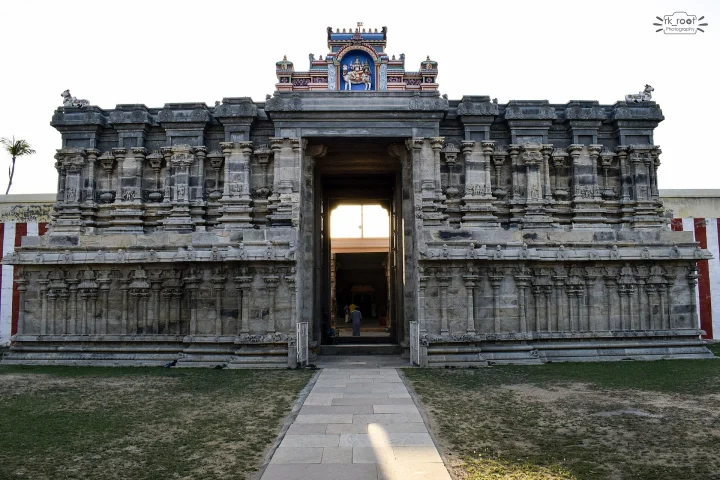
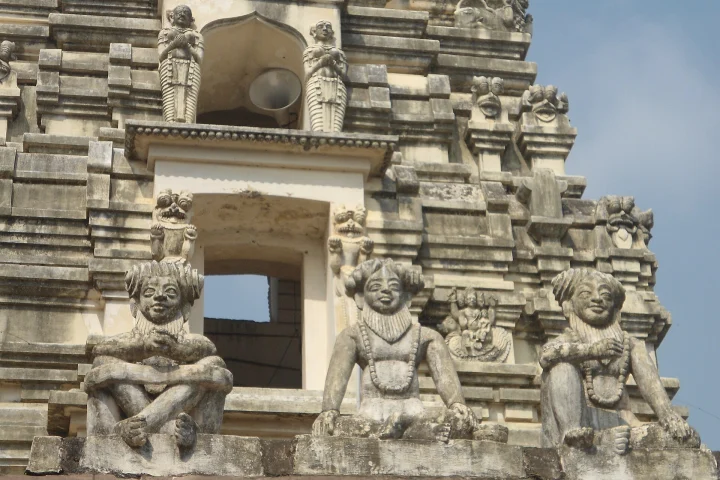
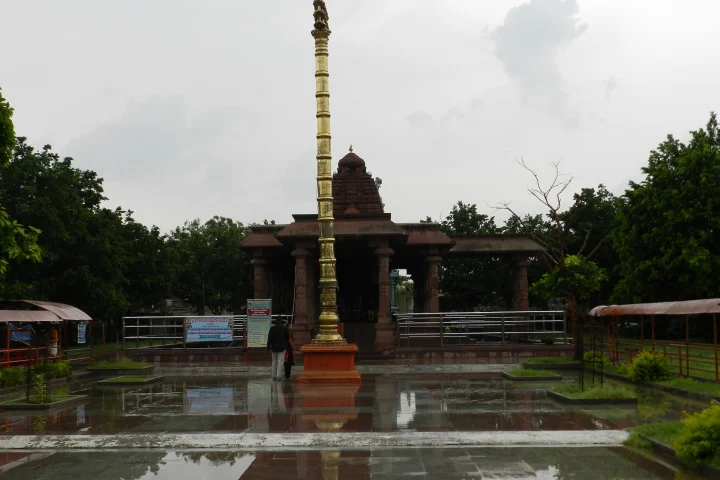
Lord Shiva as Nataraja, the King of Dance, is worshipped all over Tamil Nadu, but five temples hold a special place in his story. Each has a sabhai (hall, also written sabha or ambalam) where, according to tradition, the Lord performed one of his cosmic dances. Together they are called the Pancha Sabhai – the five halls – and each hall is named after a precious material: gold, silver, copper, gems and pictures.
All five are ancient Shiva temples praised in the Thevaram hymns of the Nayanmars and are looked after by the Tamil Nadu HR&CE department. They are spread from the edge of Chennai down to the foot of the Western Ghats near Tenkasi, so this is a yatra of long drives and very rewarding darshans.
The five halls
The dance named for each hall follows the commonly quoted tradition; some texts and temple priests give slightly different names.
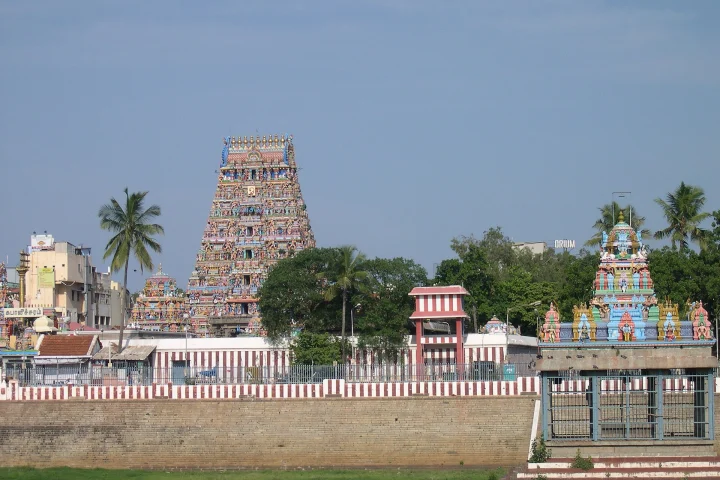
- Kanaka Sabhai (Golden Hall), Chidambaram – the most famous of all, where Nataraja performs the Ananda Tandava, the dance of bliss. The sanctum roof is covered with gold. See the Chidambaram Nataraja Temple and the town of Chidambaram.
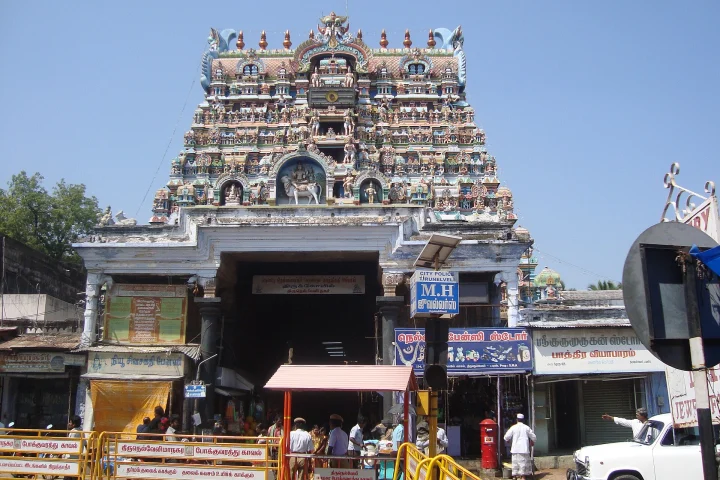
- Velli Ambalam or Rajata Sabhai (Silver Hall), Madurai – inside the Meenakshi Amman Temple. Here, according to the Thiruvilaiyadal tradition, Nataraja changed his dancing leg at the prayer of a Pandya king, so he is seen with the right leg raised instead of the left.
- Tamra Sabhai (Copper Hall), Tirunelveli – in the great Nellaiappar Temple of Tirunelveli. A few sources place the copper hall at Chepparai, a village temple near Tirunelveli, instead; most pilgrims visit Nellaiappar.
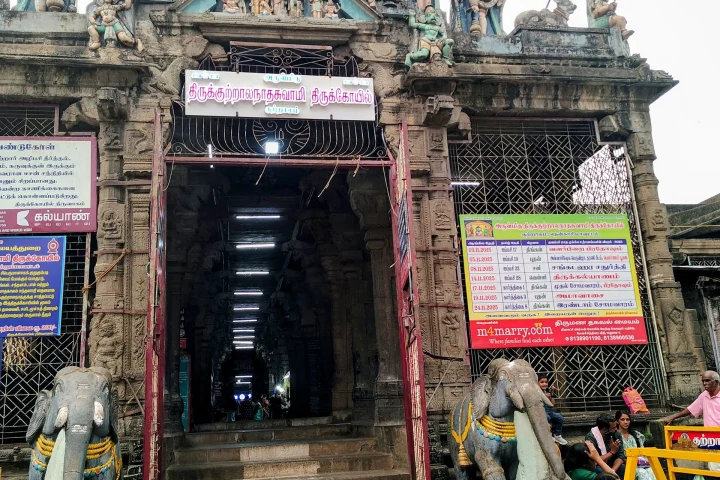
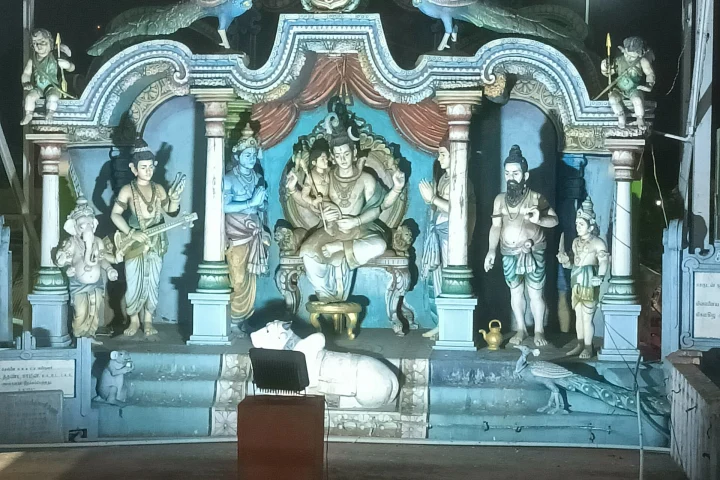
- Chitra Sabhai (Hall of Pictures), Courtallam – a separate hall near the Courtallam Kutralanathar Temple, its walls covered with paintings. It is linked with the Tripura Tandava.
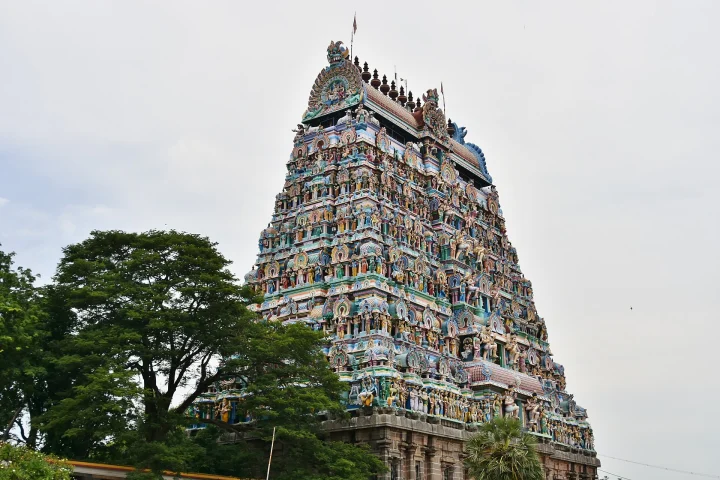
- Ratna Sabhai (Hall of Gems), Thiruvalangadu – at the Thiruvalangadu Vadaranyeswarar Temple near Arakkonam, west of Chennai. According to tradition, Shiva danced here in a contest with Goddess Kali. Note that this is the Thiruvalangadu in Tiruvallur district – there is a different temple of the same name near Mayiladuthurai.
Best order and how long it takes
The halls lie in two groups: Thiruvalangadu and Chidambaram in the north, Madurai, Tirunelveli and Courtallam in the south. You can do all five in one trip of about 6 days, or split them into two shorter trips.
From Trichy (about 6 days): drive to Chidambaram (about 150 km, 3–3½ hours) for evening darshan; continue to Thiruvalangadu (about 230 km, 5–5½ hours) and stay near Chennai or Tiruvallur; return south via Trichy to Madurai; then Tirunelveli (about 155 km from Madurai, 3–3½ hours) and Courtallam (about 60 km more, 1½ hours); and drive back to Trichy (about 300 km, 6–6½ hours). The southern three alone make a good 3-day trip from Trichy.
From Pondicherry (about 6 days): start with Thiruvalangadu (about 165 km, 3½–4 hours) and return or stay near Chennai; the next day drive to Chidambaram (about 70 km from Pondicherry) and on to Trichy; then Madurai, Tirunelveli and Courtallam, returning via Madurai and Trichy. Chidambaram alone is an easy day trip from Pondicherry.
Our Pancha Sabhai tour plans these drives around the temple opening hours, and the Pancha Sabhai guide tells the legends of each hall in more detail.
Festivals of Nataraja
- Arudra Darshan in the Tamil month of Margazhi (December–January), on the Thiruvathirai star, is the great Nataraja festival at all five halls. Chidambaram draws its biggest crowds of the year.
- Aani Thirumanjanam (June–July) is the other major festival at Chidambaram, with the car festival and the sacred bath of Nataraja.
- Courtallam's season is June to September, when the waterfalls are full; the town is crowded with visitors then.
- Exact dates change every year with the Tamil calendar – check before you go, and see our temple festivals calendar.
Tips for the yatra
- Most Tamil Nadu temples close for a few hours in the afternoon (roughly 12:30–4 pm). Plan to reach each temple in the morning or after 4 pm, and use the midday break for driving.
- Wear traditional clothes – veshti or dhoti for men, saree, half-saree or salwar with dupatta for women. See our temple dress code guide.
- Phones: follow the notice at the gate; at the time of writing many temples allow phones only if switched off; photography inside is not allowed.
- At Chidambaram, ask about the times when the Chidambara Rahasyam is shown; the temple is managed by the Podhu Dikshitars and has its own rhythm of pujas.
- Courtallam can be wet and slippery in the monsoon season; wear sandals with a good grip between the falls and the temple.
- Thiruvalangadu is quiet compared to the other four. Combine it with Tiruttani or Kanchipuram if you have a spare half-day.
Combine it with
The southern half of this yatra passes the Nava Tirupathi and Nava Kailasam near Tirunelveli. From Madurai, Thiruparankundram and Pazhamudircholai are close by. In the north, Chidambaram is also one of the Pancha Bhoota Sthalams (sky), so many pilgrims join the two yatras.
Frequently asked questions
What are the Pancha Sabhai?
They are the five halls of Lord Nataraja: the Golden Hall at Chidambaram, the Silver Hall at Madurai, the Copper Hall at Tirunelveli, the Hall of Pictures at Courtallam and the Hall of Gems at Thiruvalangadu.
How many days are needed for the Pancha Sabhai yatra?
About 6 days from Trichy or Pondicherry by car. The three southern halls (Madurai, Tirunelveli, Courtallam) can be done in about 3 days from Trichy.
Which Thiruvalangadu has the Ratna Sabhai?
The Vadaranyeswarar Temple at Thiruvalangadu in Tiruvallur district, near Arakkonam, about 65 km west of Chennai. A different Thiruvalangadu temple near Mayiladuthurai is not the Ratna Sabhai.
When is the best time for the Pancha Sabhai yatra?
October to March is the most comfortable. Arudra Darshan in Margazhi (December–January) is the most sacred time, though very crowded at Chidambaram.