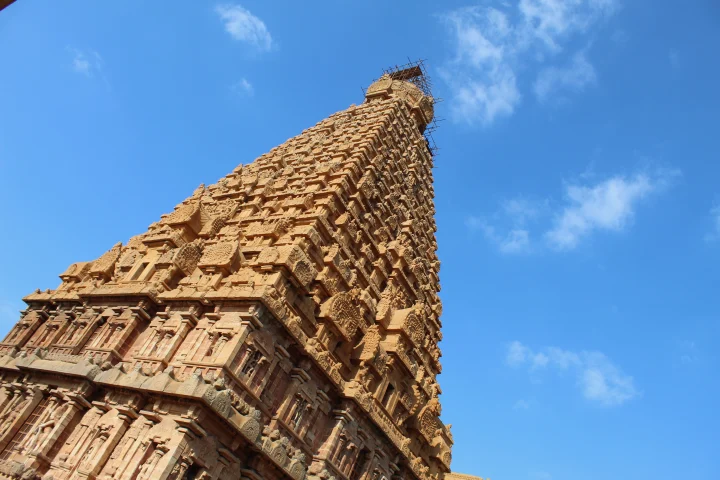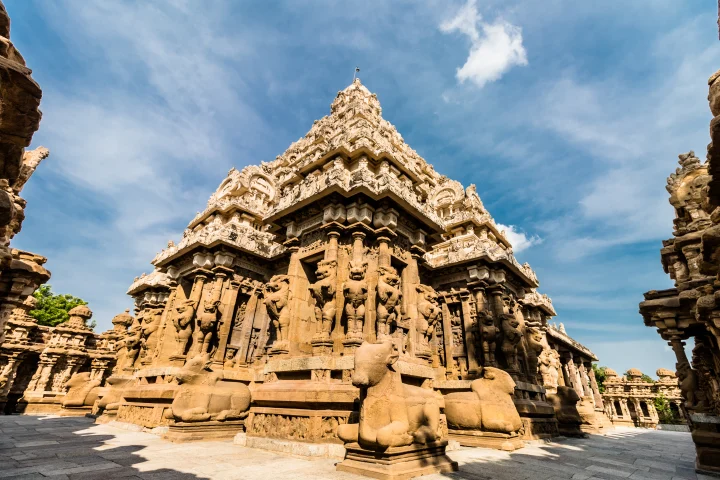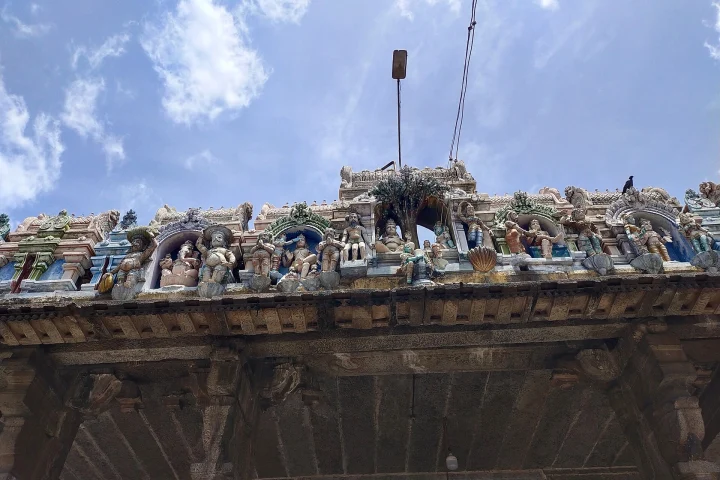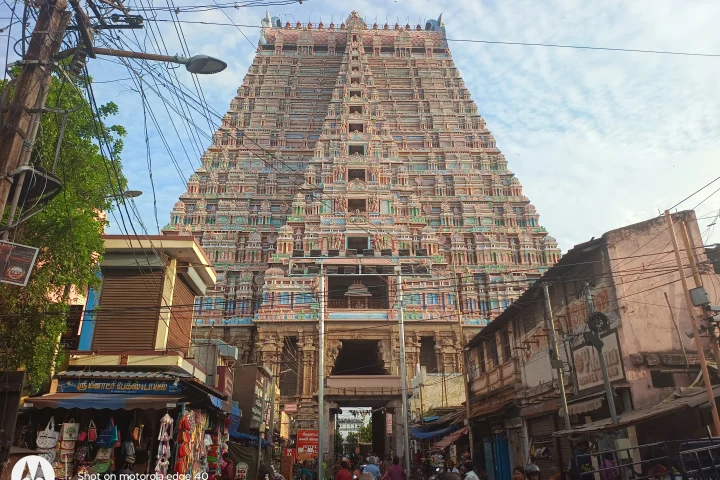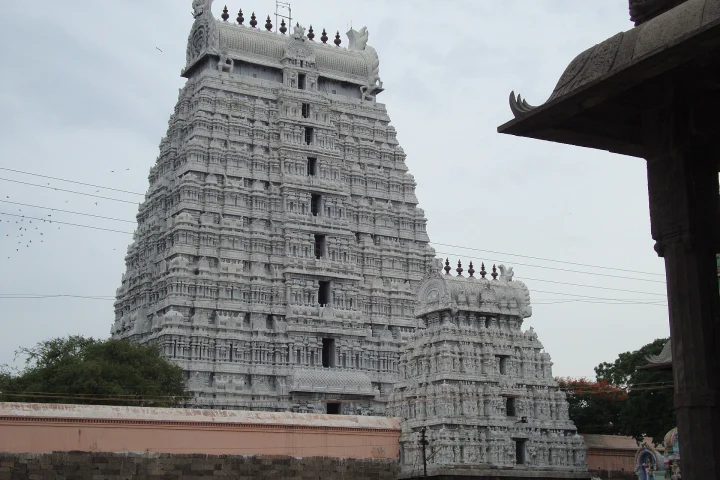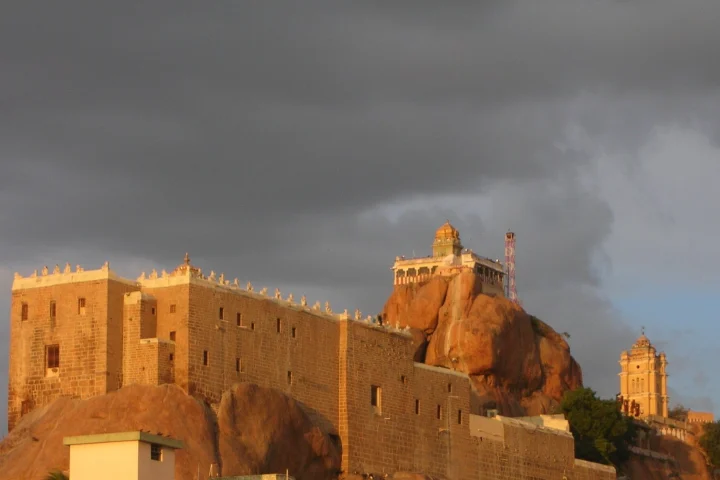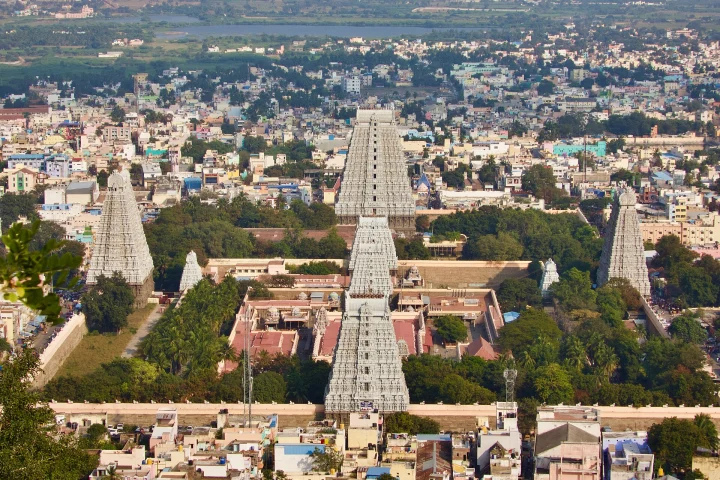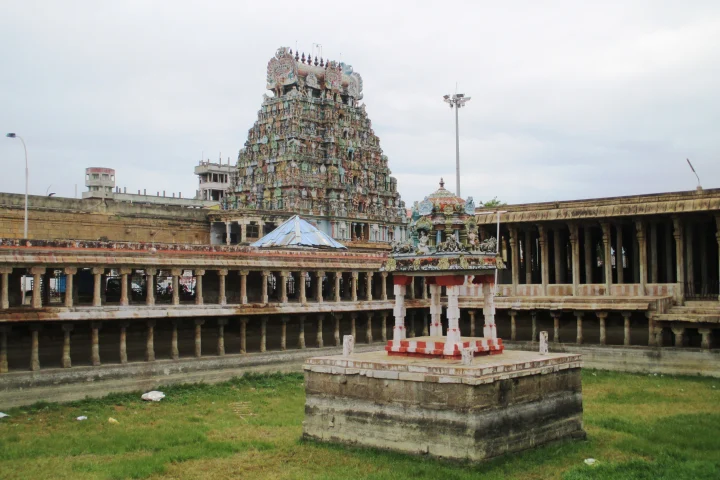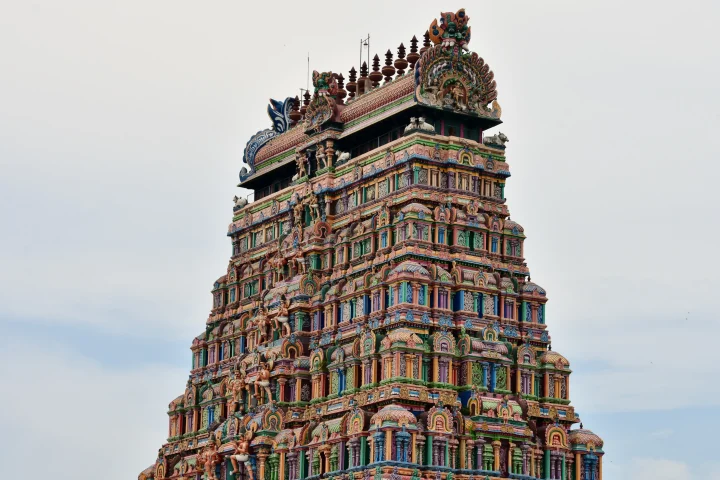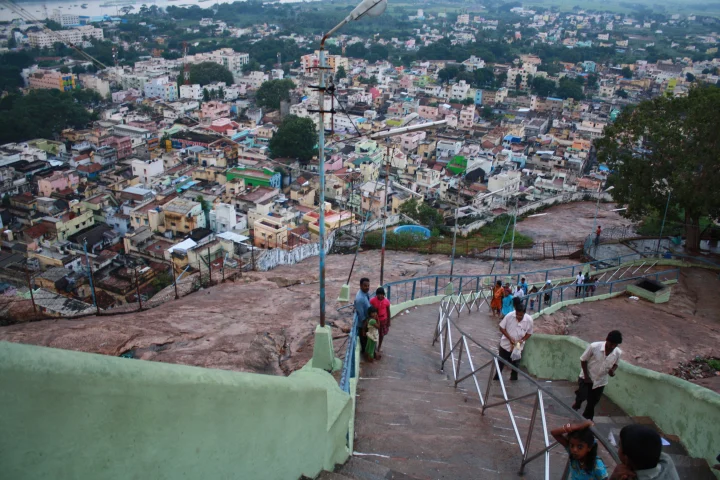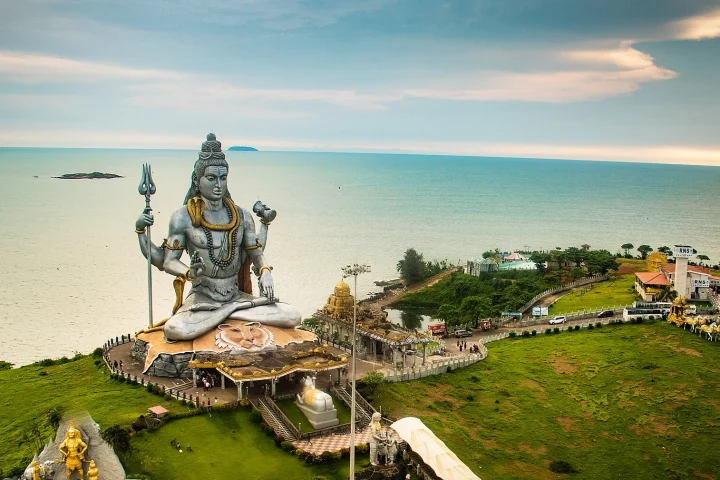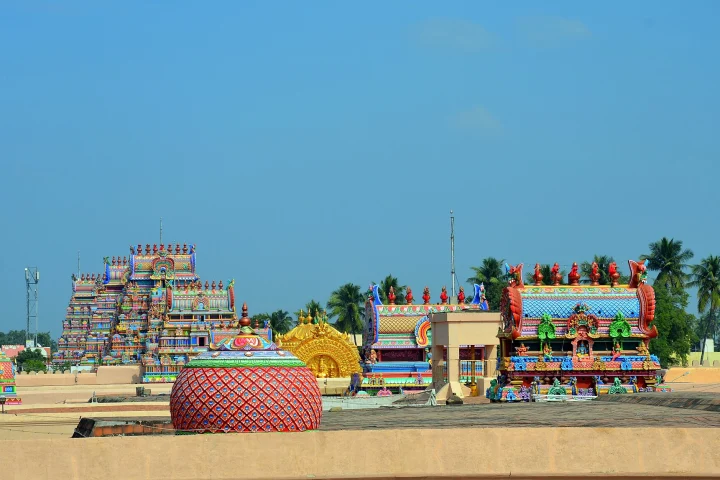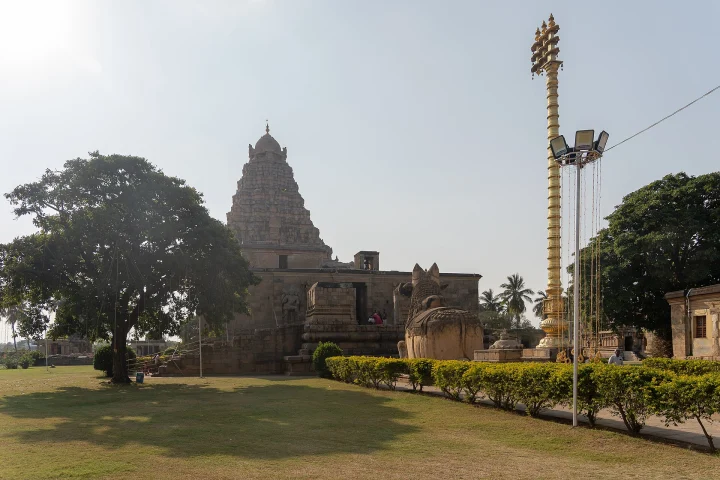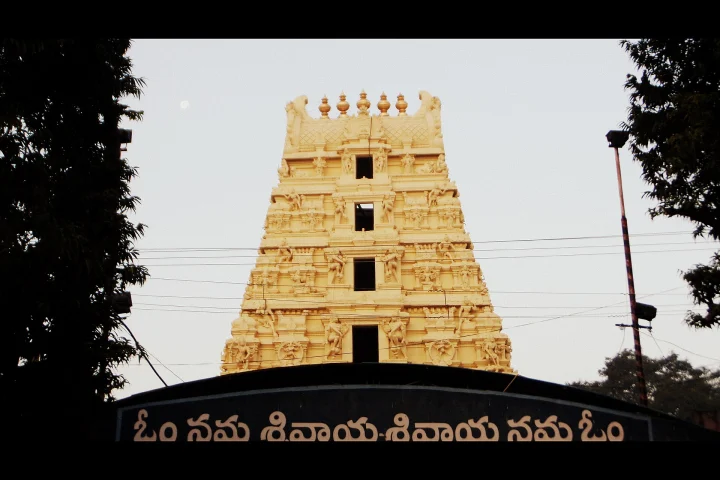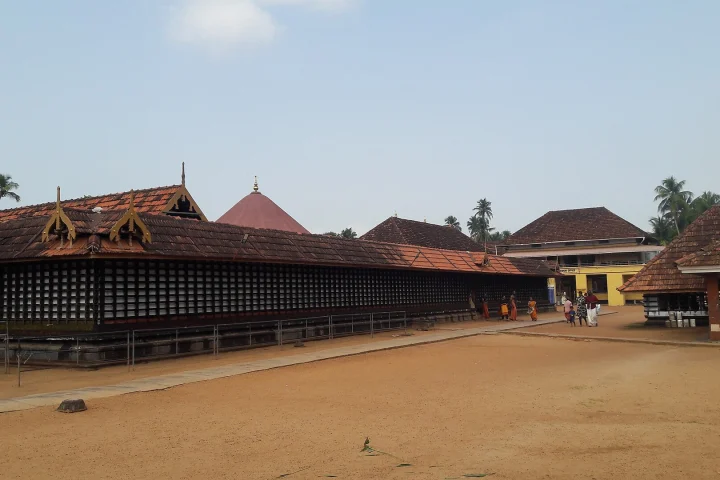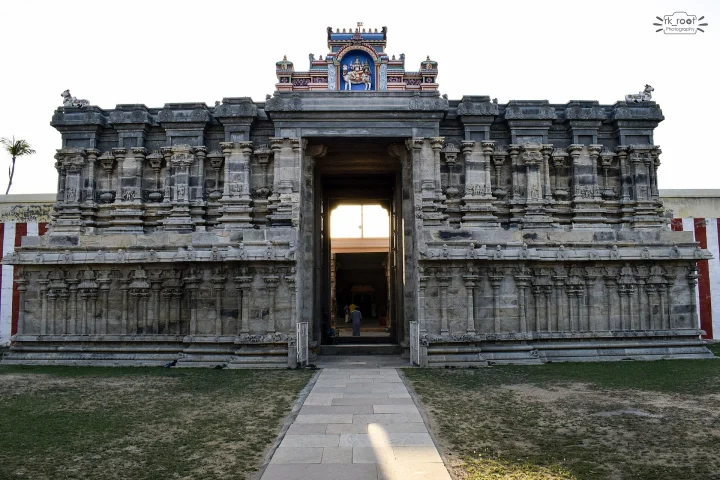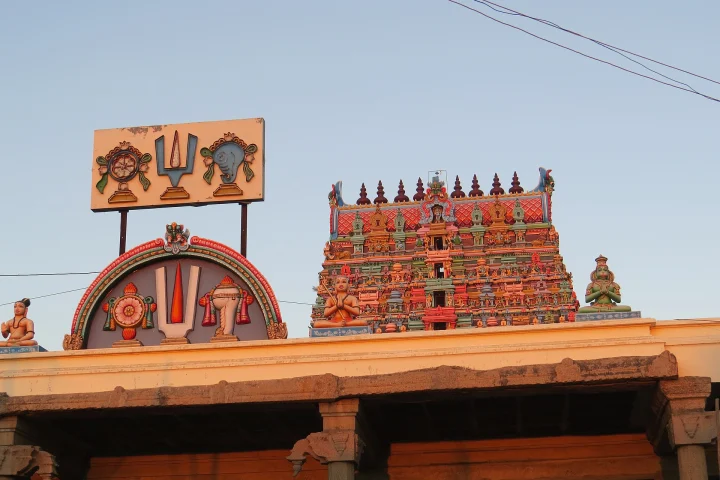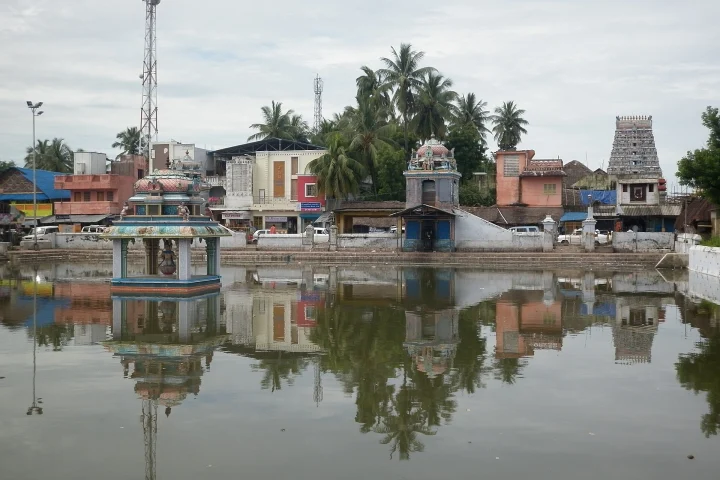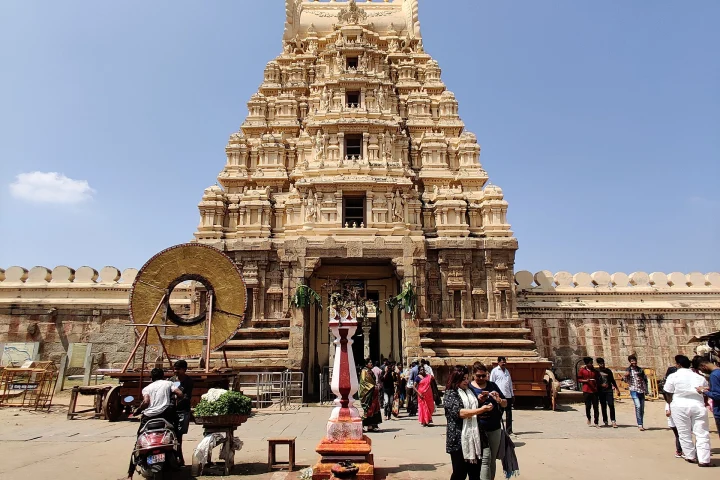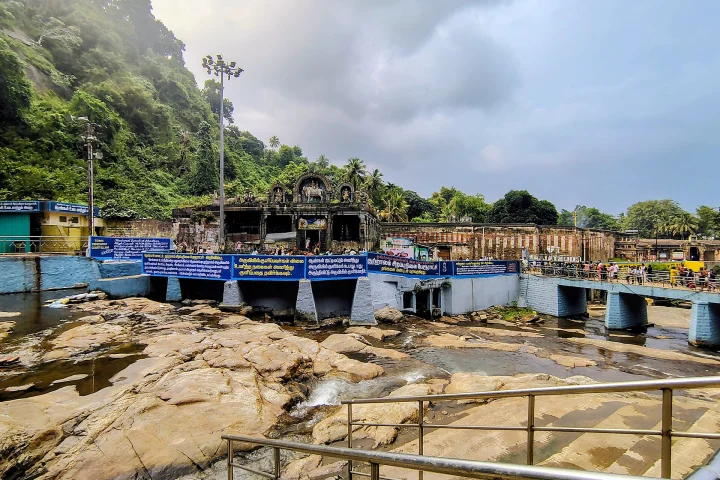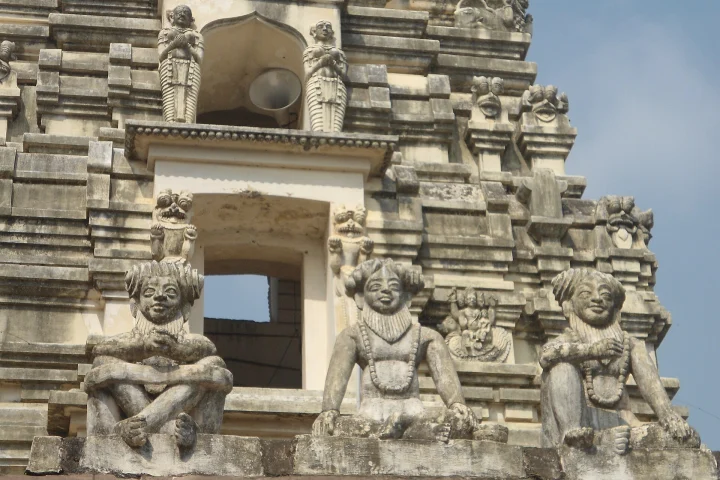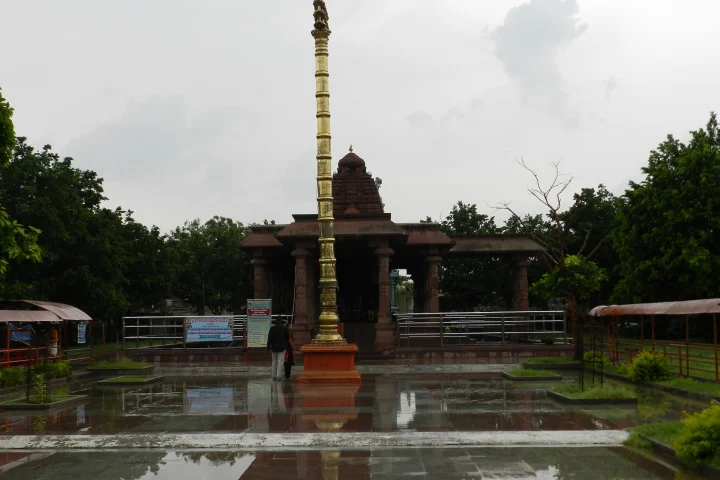
In Hindu thought, the world is made of five great elements (pancha bhoota): earth, water, fire, air and space. In South India, five ancient Shiva temples are revered as the places where Shiva is worshipped in the form of each element. Together they are called the Pancha Bhoota Sthalams.
Four of the five are in Tamil Nadu and one, Srikalahasti, is in Andhra Pradesh. All five are major temples in their own right, and the circuit is a good way to see a wide sweep of the south in one journey.
The five temples
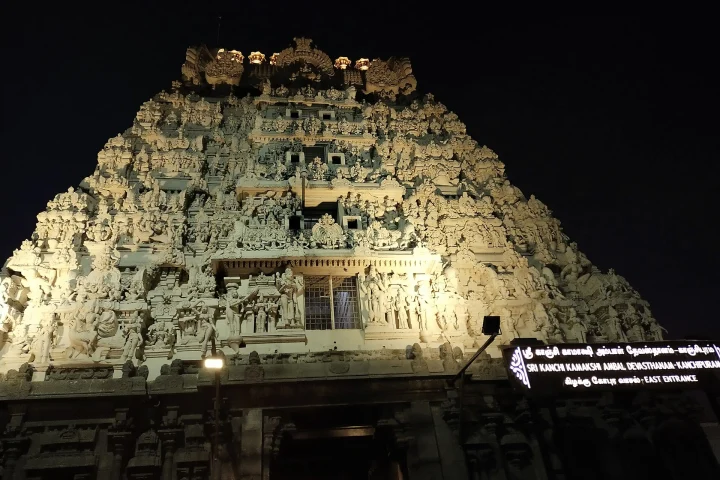
- Earth (Prithvi): Ekambareswarar Temple, Kanchipuram – by tradition, Parvati worshipped a lingam of sand under a mango tree here. See Kanchipuram.
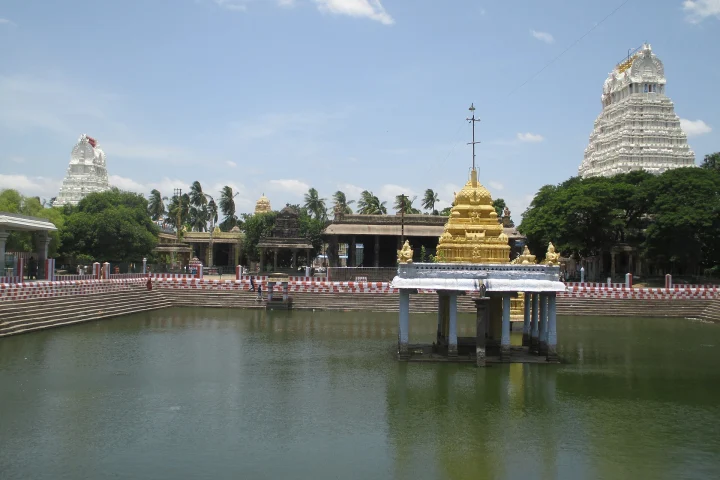
- Water (Appu / Jala): Jambukeswarar Temple, Thiruvanaikoil – the lingam sits in a low sanctum where, according to tradition, water seeps up from an underground spring. See Trichy.
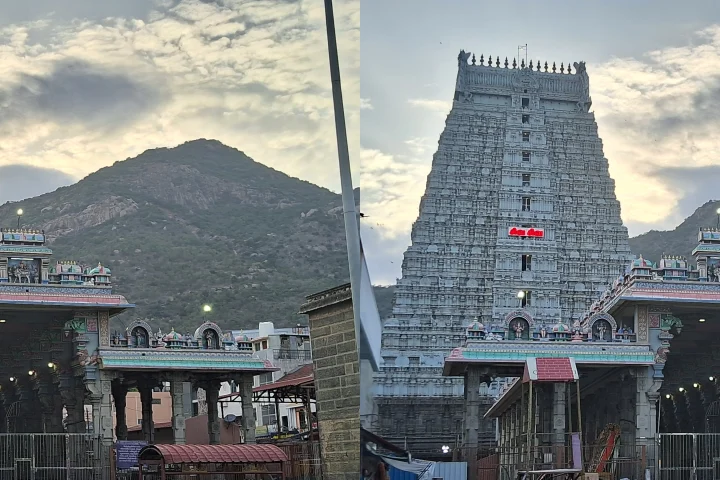
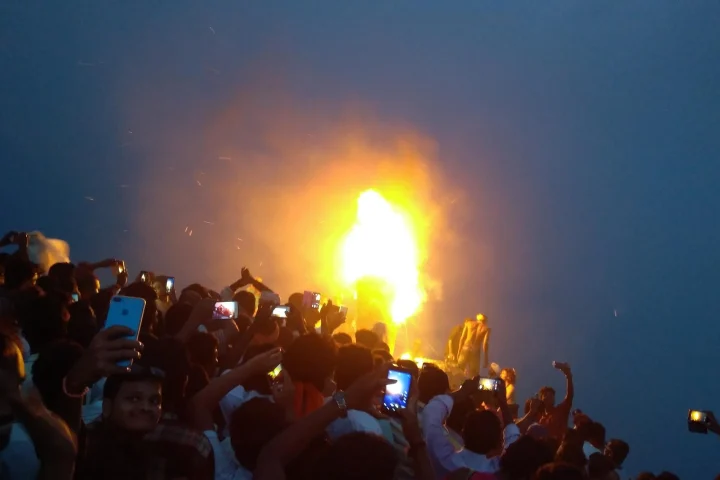
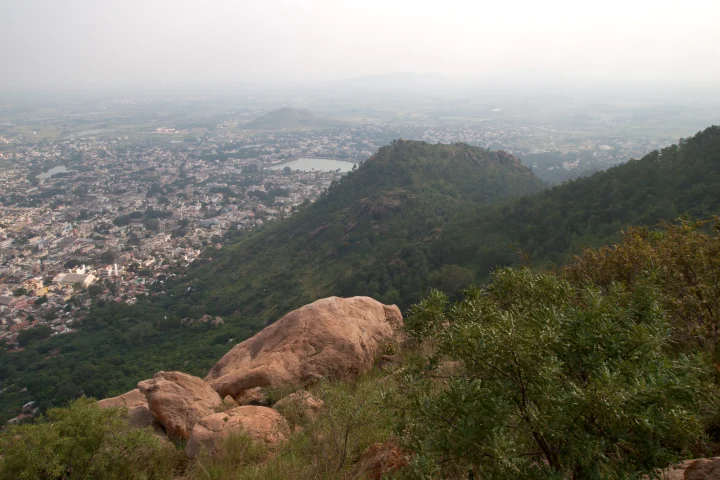
- Fire (Agni): Arunachaleswarar Temple, Tiruvannamalai – where Shiva appeared as an endless column of fire, remembered each year in the Karthigai Deepam. See Tiruvannamalai.
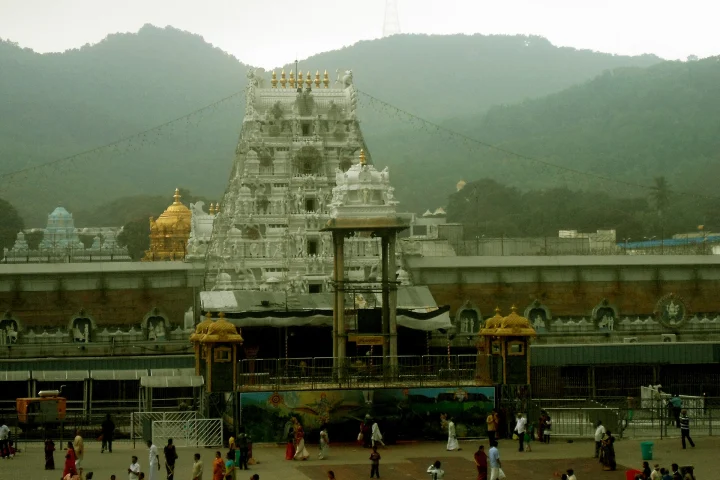
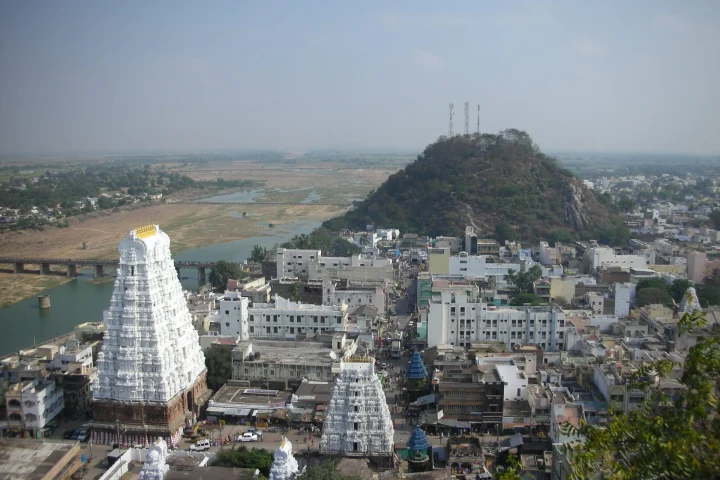
- Air (Vayu): Srikalahasti Temple, Andhra Pradesh – devotees point to a lamp flame in the sanctum that flickers as if in a breeze. Near Tirupati.
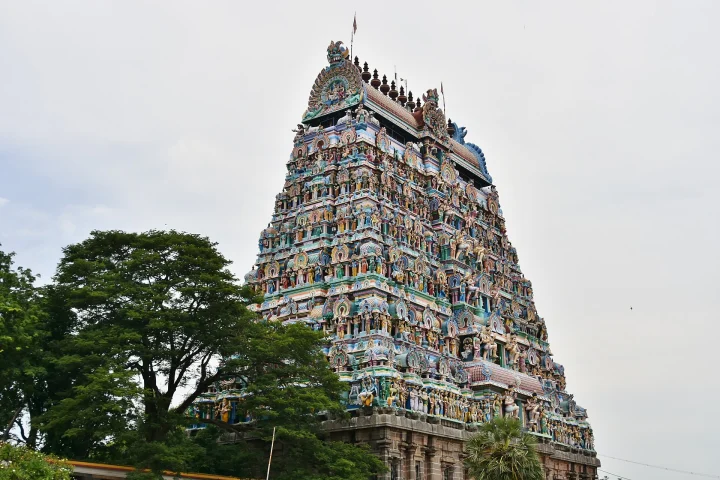
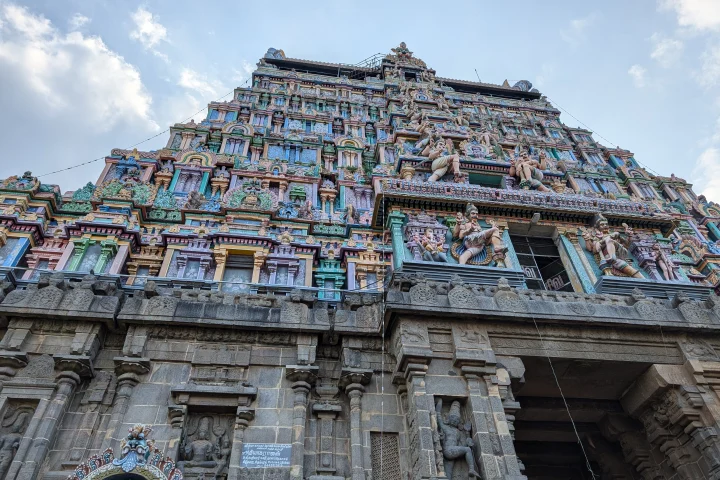
- Space (Akasa): Chidambaram Nataraja Temple – where Shiva is worshipped as formless space in the Chidambara Rahasyam. See Chidambaram.
Stories behind the temples
Each temple has its own traditions, and pilgrims enjoy hearing them on the way. At Thiruvanaikoil, the name itself recalls a legend of an elephant (aanai) and a spider that both worshipped the lingam under a jambu (rose-apple) tree, each in its own way. At Srikalahasti, the name is said to join Sri (spider), Kala (serpent) and Hasti (elephant), three creatures who worshipped Shiva there; the temple is also linked with Kannappa, the hunter-devotee counted among the 63 Nayanmars.
The Tevaram saints – Appar, Sundarar and Thirugnanasambandar – sang hymns at the Tamil Nadu temples of this group, and these hymns are still recited during daily worship. Visiting all five is seen as honouring Shiva as the one who pervades everything, from the ground under our feet to the space around us.
Best order and duration
There is no fixed order in scripture, so the route is planned by geography. The full circuit covers roughly 900–1,000 km and takes about four to five days at a comfortable pace.
From Pondicherry (4–5 days): Chidambaram (about 70 km) – Thiruvanaikoil in Trichy – Tiruvannamalai – Kanchipuram – Srikalahasti – back to Pondicherry.
From Trichy (5 days): Thiruvanaikoil – Chidambaram – Tiruvannamalai – Kanchipuram – Srikalahasti – back to Trichy, with a night in Pondicherry or Tiruvannamalai on the way.
See our Pancha Bhoota Sthalam tour, and read Pancha Bhoota Sthalams explained for the meaning behind each temple.
Tips
- Time Tiruvannamalai for a full-moon evening if you want to walk Girivalam – or avoid it if you dislike crowds.
- Srikalahasti is busy with Rahu–Ketu pooja on certain days; arrive early.
- Plan each day around the afternoon temple closure (roughly 12:30–4 pm in most of these temples), at the time of writing – check before you go.
- Wear traditional clothes; see our temple dress code guide.
Frequently asked questions
Which Pancha Bhoota Sthalam is in Andhra Pradesh?
Srikalahasti, which represents air (vayu). It is about 35 km from Tirupati.
How many days are needed for all five temples?
About four to five days by road from Pondicherry or Trichy, covering roughly 900–1,000 km.
Which temple represents water?
The Jambukeswarar Temple at Thiruvanaikoil, close to Srirangam in Trichy.
Can I combine the circuit with Tirupati?
Yes. Srikalahasti is close to Tirupati, so many pilgrims add a day for Tirumala darshan.